About Camping on Isle Royale
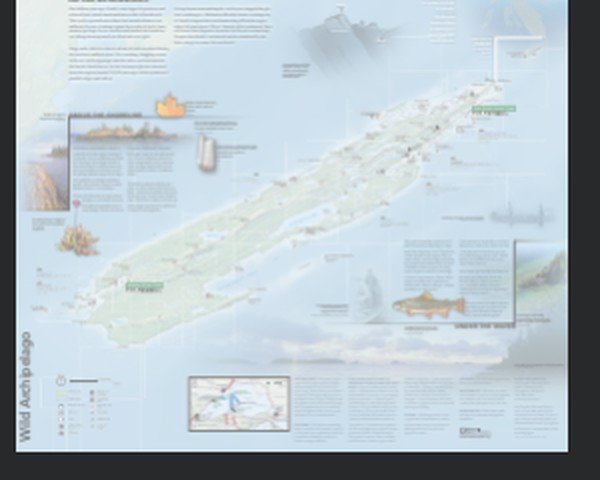
Isle Royale is Michigan's only national park — a roadless, 45-mile-long wilderness island (plus more than 400 smaller islands) in the middle of Lake Superior. There are no cars, no roads, and no drive-up campsites. Getting around means hiking, paddling, or boating between the park's 36 backcountry campgrounds, which range from simple tent sites to three-sided shelters. This is a genuine wilderness trip, not a typical camping getaway — most visitors plan for several days to a week or more.
Campground Map
How Camping Permits Work
Every overnight stay on Isle Royale requires a camping permit, obtained in person (or via the NPS mobile permit system) when you arrive on the island. Parties of 1–6 people use the standard individual/small-party permit system, filed at Rock Harbor, Windigo, or by mobile app. Groups of 7 or more people must get a group camping permit with an advance reservation before arriving — these are limited and should be arranged well ahead of your trip. There is no fee for the camping permit itself, but the park's $7-per-person, per-day entrance fee applies to everyone visiting the island (children 15 and under are exempt).
Getting There
Because Isle Royale has no roads or bridges, every visitor arrives by boat or seaplane. The NPS's own Ranger III ferry runs from Houghton, MI to Rock Harbor. Private ferry operators include the Isle Royale Queen IV from Copper Harbor, MI to Rock Harbor, and the Voyageur II and Sea Hunter III from Grand Portage, MN to Windigo and Rock Harbor. Isle Royale Seaplanes also offers flights from Houghton to both Rock Harbor and Windigo. Each option has its own schedule, fare, and baggage rules, and reservations are strongly recommended for all of them — book your transportation before you plan the rest of your trip.
Things to Do
Isle Royale's more than 165 miles of hiking trails, including the rugged 40-mile Greenstone Ridge Trail spanning the island, are the main way to explore. Paddlers can access dozens of inland lakes and the island's protected coastline by canoe or kayak. Moose and wolves are the island's signature wildlife — Isle Royale hosts one of the longest-running predator-prey studies in the world — and sightings, especially of moose, are common for hikers who keep a quiet pace.
Planning Your Trip
The park operates only from mid-April through October 31; it is completely closed to visitors in winter. Weather on Lake Superior can change fast, and ferry/seaplane service is sometimes delayed by rough water, so build flexibility into your schedule. Because this is remote wilderness, come prepared with a water filter or treatment (all backcountry water should be treated), a detailed trip itinerary, and enough food for your full trip plus a buffer.